Email marketing and newsletters for business: a GDPR-friendly start
An email list is a channel no algorithm can take away. Learn how to collect GDPR-compliant sign-ups, what to send and how to land in the inbox, not spam.
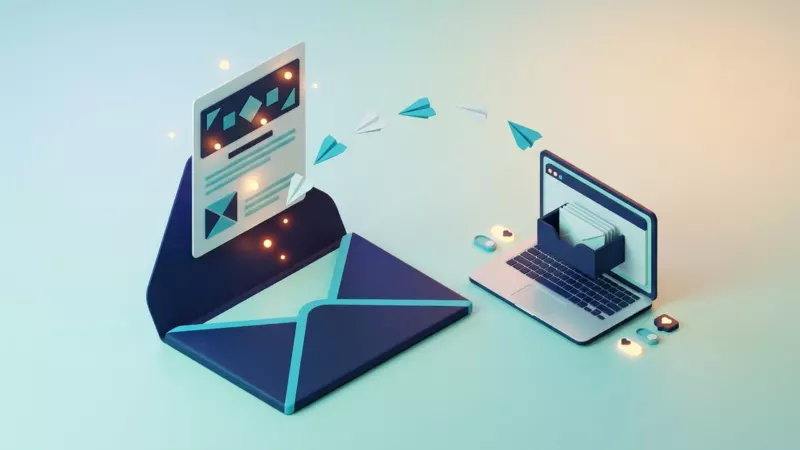
Social media reach depends on algorithms and search rankings on competitors. An email list is a channel you own – you can reach customers whenever you choose. A well-run newsletter builds relationships, keeps your business top of mind and brings in regular orders.
How to collect sign-ups
- A sign-up form on your site – in the footer, after articles and on thank-you pages.
- An incentive – a downloadable guide, a checklist, a first-order discount or early access to content.
- A clear promise – what you will send and how often.
- Double opt-in – a confirmation link protects against typos and makes consent easy to prove.
GDPR and the law
In the EU, sending marketing emails generally requires the recipient’s consent. In practice:
- consent must be freely given, specific and informed – no pre-ticked boxes,
- signing up must not be a condition of a purchase or enquiry,
- your privacy policy must state the purpose, legal basis and retention period,
- every message must contain an easy way to unsubscribe,
- keep a record of when and how consent was given.
Rules on electronic marketing vary between countries, so confirm the details with a lawyer where you operate.
What to send
- A welcome email – introduce the business, deliver the promised resource and point to your best content.
- Expert content – tips, case studies and answers to customer questions (like our guides).
- News and offers – in moderation; the balance of value and selling decides whether people stay subscribed.
- Automations – a welcome sequence, reminders and post-purchase emails.
Deliverability: reaching the inbox
- Set up SPF, DKIM and DMARC records in your domain’s DNS. Since 2024 Gmail and Yahoo require them from bulk senders, along with one-click unsubscribe.
- Send from an address on your own domain, not a free mailbox.
- Use a professional email platform rather than your mail client.
- Remove inactive and invalid addresses – too many bounces damage your sender reputation.
- Never buy email lists.
More on email for your domain in our article on choosing web hosting.
What to measure
Clicks and conversions matter most, not opens – open rates are distorted by privacy features in email apps. Tag links with UTM parameters to see in analytics how many enquiries and sales your newsletter brings. Also watch unsubscribe and spam-complaint rates.
We help build sign-up forms, templates and automations as part of our marketing services. For stores, we combine the newsletter with reducing abandoned carts.
Frequently asked questions
Can I email customers who have bought from me?
Marketing emails generally require consent in the EU. A purchase alone does not replace it, so collect consent at checkout with a separate, unticked box.
How often should I send a newsletter?
As often as you have something valuable to share and as often as you promised at sign-up. Every two to four weeks works for many businesses.
Related services
- Social mediaDo you know where your clients spend their free time? Facebook, Instagram, YouTube… We will help you get noticed on the most popular social networks.
- Online storesWe develop robust and modern online stores, based on proven software and creative graphic design.
- HostingReliable hosting at very good prices. Your website will be safe with us!